
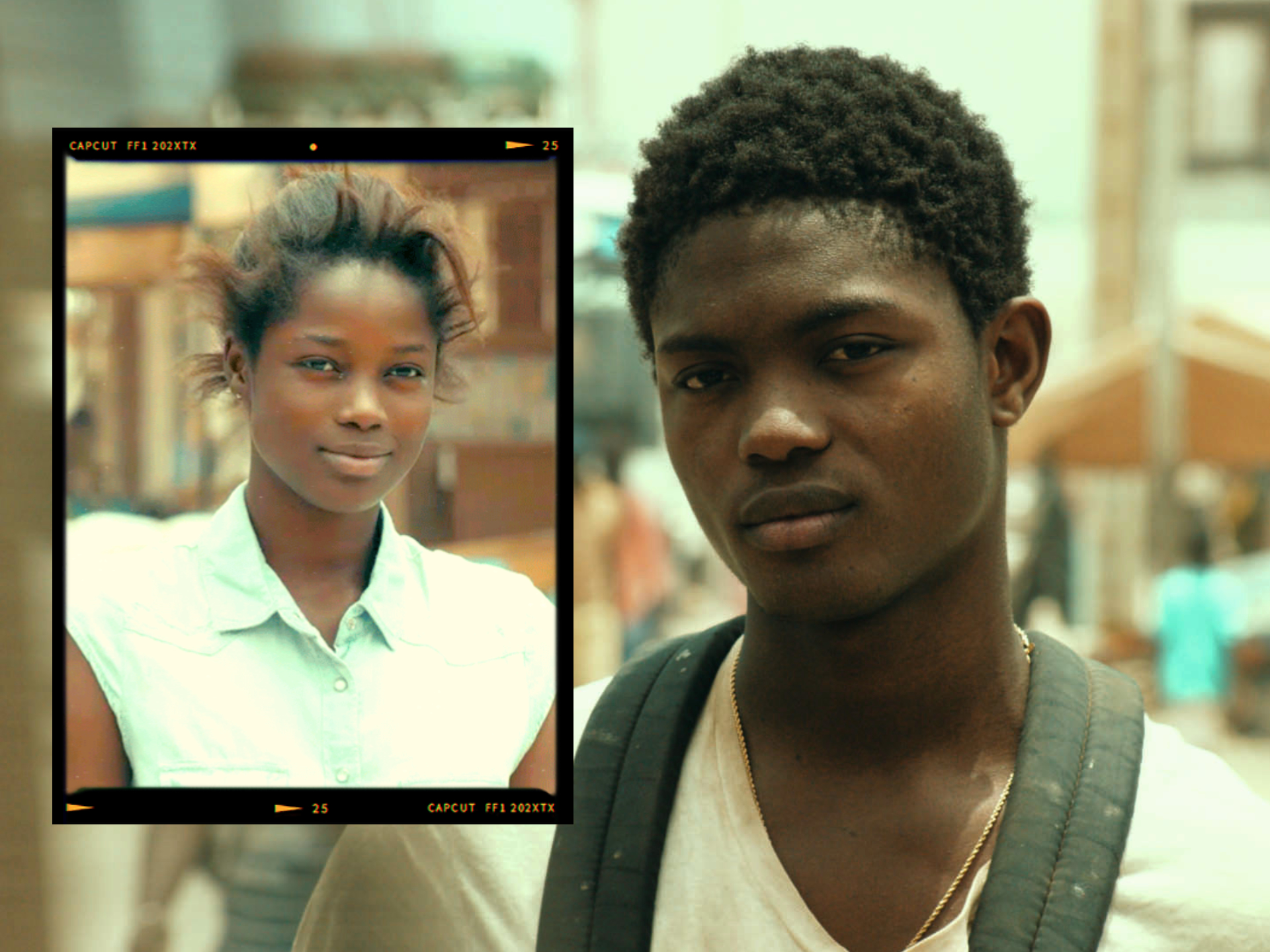

Mati Diop’s Atlantics won the Grand Prix at Cannes, and Barack Obama named it one of his favorite films of 2019. The Senegalese supernatural drama is visually stunning, but it can be confusing if you’re not paying close attention. Here’s what you need to know about the film that made Diop the first Black woman to compete for the Palme d’Or at Cannes.
The Plot: Workers, Ghosts, and Justice

Set in Dakar, Senegal, the film opens on Ada, a young woman in love with Souleiman, a construction worker building a futuristic tower on the coast. But Ada’s family has already promised her to Omar, a wealthy businessman who can provide financial security. Ada doesn’t love Omar. She loves Souleiman.
Meanwhile, Souleiman and his coworkers have a bigger problem: they haven’t been paid in months. The developers keep making promises, but no money comes. Desperate for a better life, Souleiman and his crew leave Senegal by boat one night, hoping to reach Spain. They don’t tell anyone. They don’t say goodbye. They just disappear into the Atlantic Ocean.

Days pass. No one hears from the men. The boat never arrives in Spain. And then strange things start happening in Dakar.
On Ada’s wedding night to Omar, someone sets their marriage bed on fire. A detective is assigned to investigate, but the more he digs, the stranger things become. Women in the neighborhood start acting differently, their eyes turn gray, their voices change, they speak with an authority they didn’t have before.

Here’s what’s actually happening: The construction workers drowned trying to cross the ocean. But their spirits came back. And they’re possessing the women they left behind, their girlfriends, wives, and sisters, to demand what they’re owed.
What the Possession Means
The possessed women march to the home of the wealthy developer who exploited the workers and demand payment. They’re no longer passive, waiting at home while men make all the decisions. They’ve become vessels for justice, for rage, for the desire to reclaim what was stolen.

Souleiman’s spirit possesses the detective investigating the case so he can be close to Ada one last time. On her wedding night, when she’s supposed to consummate her marriage to Omar, Souleiman (in the detective’s body) shows up instead. They spend one final night together before he has to let go.
Why It Matters

Atlantics isn’t just a ghost story. It’s about migration, exploitation, and economic desperation. It’s about the people left behind when young men risk death trying to escape poverty. And it’s about women finding power in the most unexpected way, through the spirits of the men who loved them.
The Atlantic Ocean in this film is both graveyard and portal. It took the men, but it sent them back with a mission: get what’s yours, take what you’re owed, don’t let them forget you.
Director Mati Diop grew up between France and Senegal, and the film reflects that dual perspective. It’s visually stunning, all ocean sunsets, billowing curtains, and the hypnotic blue-green of the Atlantic, shot by cinematographer Claire Mathon (who also shot Portrait of a Lady on Fire).
How It Ends
By the end of the film, the workers get their wages or at least, their families do. The developer is forced to pay what he owes and dig graves for each worker so their spirits can finally rest. The possessed women return to themselves, but they’re changed. They’ve experienced power. They’ve fought back.

Ada doesn’t end up with Souleiman (he’s dead) or Omar (she leaves him). She ends up alone, but she’s free. She’s no longer property to be traded between men. The ocean took her love, but it also freed her from a future she never wanted.
Where to Watch
Atlantics is streaming on Netflix. It’s in French and Wolof with English subtitles, but don’t let that stop you. This is a film that proves ghost stories, love stories, and stories about economic justice can come from anywhere and speak to everyone.
Watch the full video breakdown on our YouTube channel, and let us know what you thought of the film in the comments.
Leave a Reply