
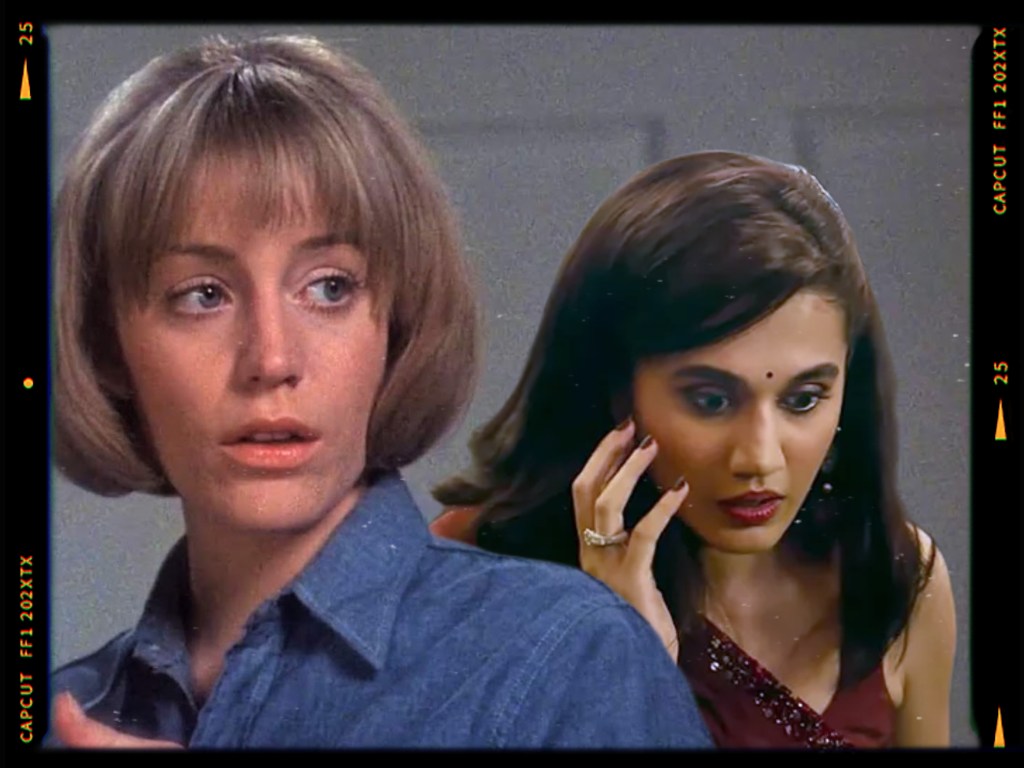
This month at Vixen Cinema we explored one of the most enduring myths sold to women. That a good home, a devoted husband, and a life built around someone else’s needs equals fulfillment. April’s theme was The Downfall of the Trad Wife, and we featured two films made fifty years apart that ask the same devastating question: what does it cost a woman to stay?
Thappad (2020)
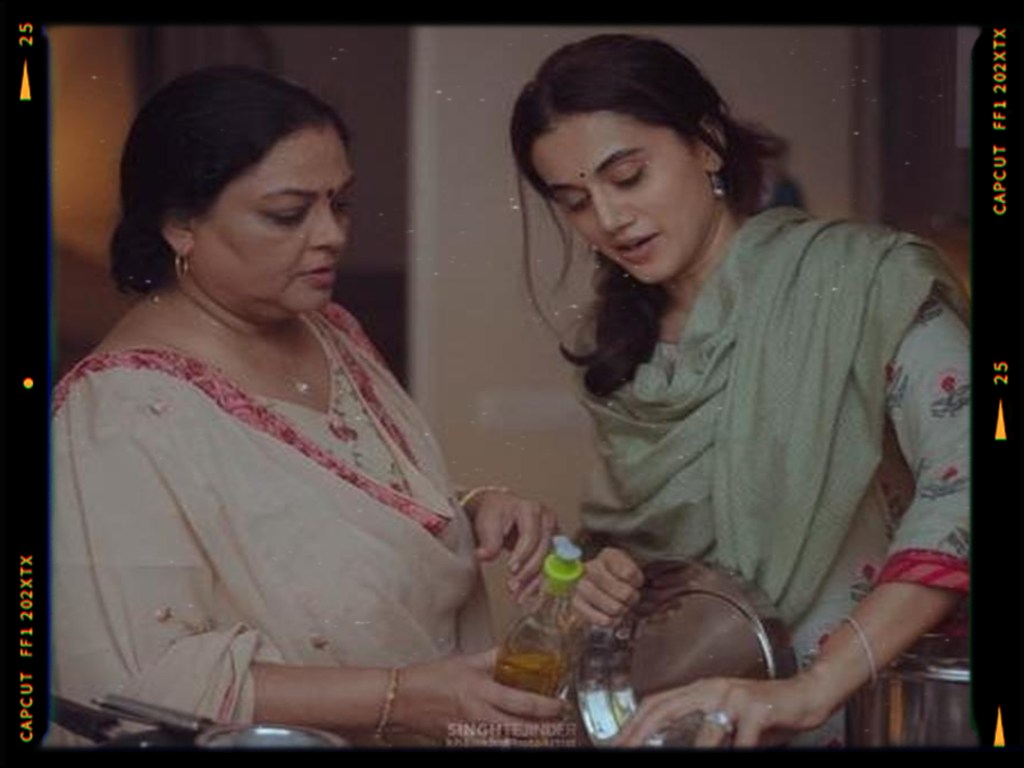
Amrita (aka Amu) is the kind of wife who wakes up before her husband every single morning to make his breakfast, manage his household, care for his mother, and organize his life. She gave up her career to support his. She is happy, or at least she believes she is, because happiness was never the metric she was measuring herself against. Service was.
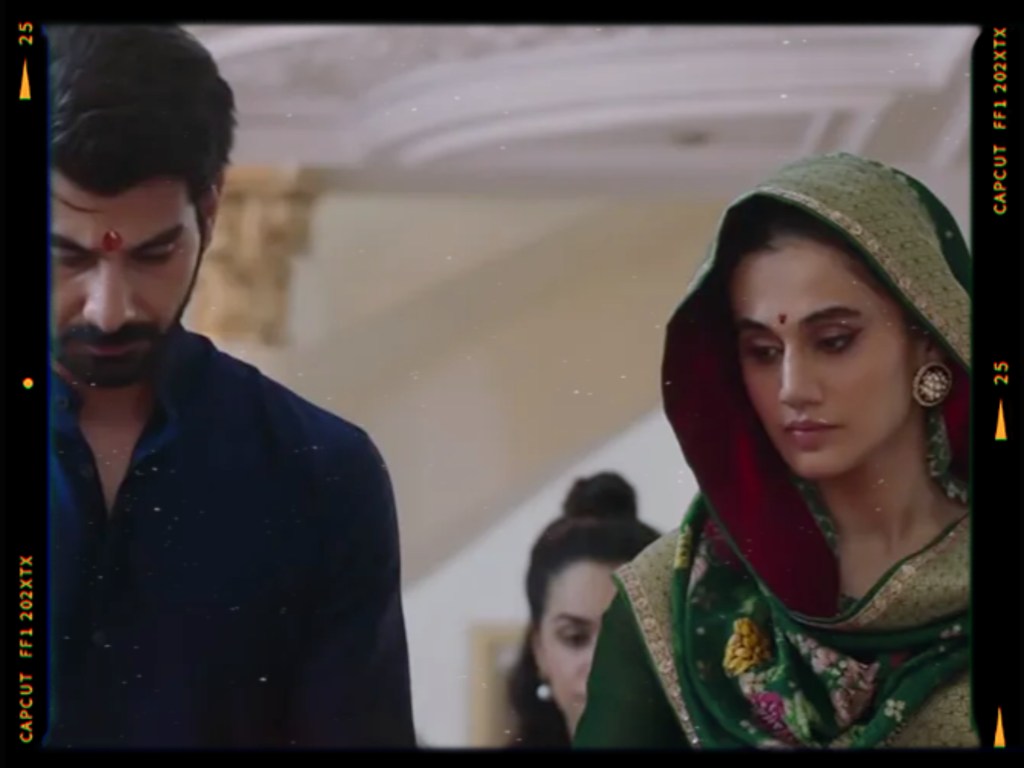
Then at a party celebrating her husband Vikram’s promotion, things go wrong. He doesn’t get the position he was promised. In front of their guests, in front of their family, in a moment of rage, he slaps her.
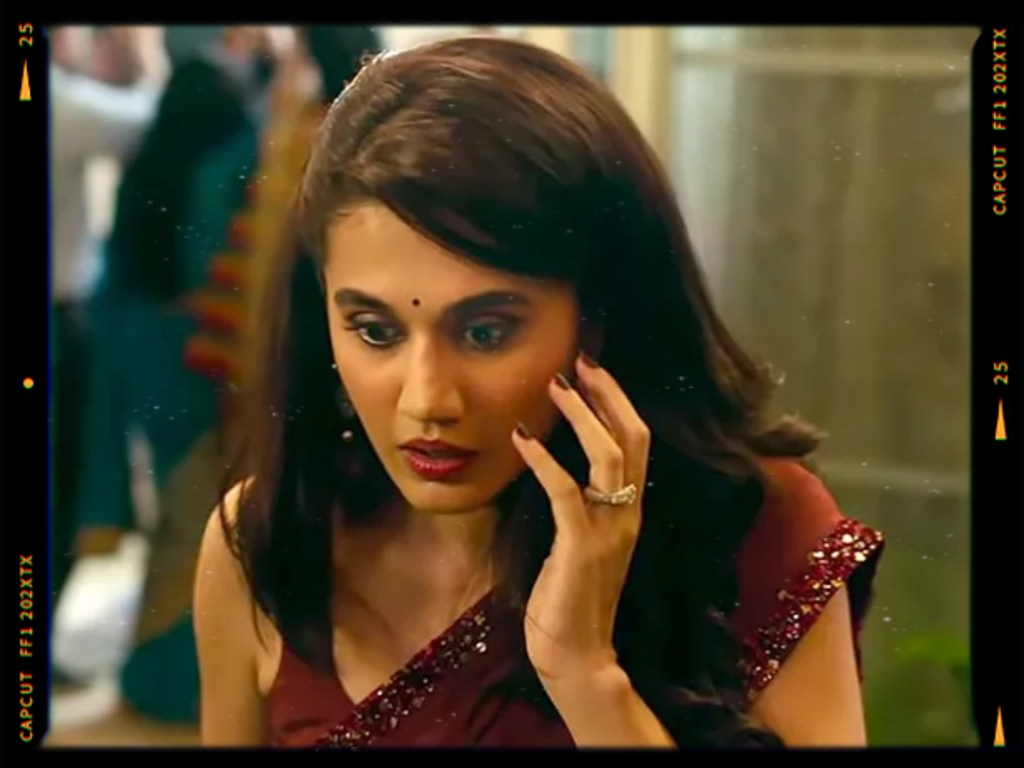
The slap barely hurts physically. But it breaks something open. Because in the silence that follows, Amu starts noticing everything she had trained herself not to see. How Vikram never once asked what she wanted. How he took credit for her labor without ever acknowledging it. How she had slowly erased herself to become his perfect wife, and how completely he had let her.
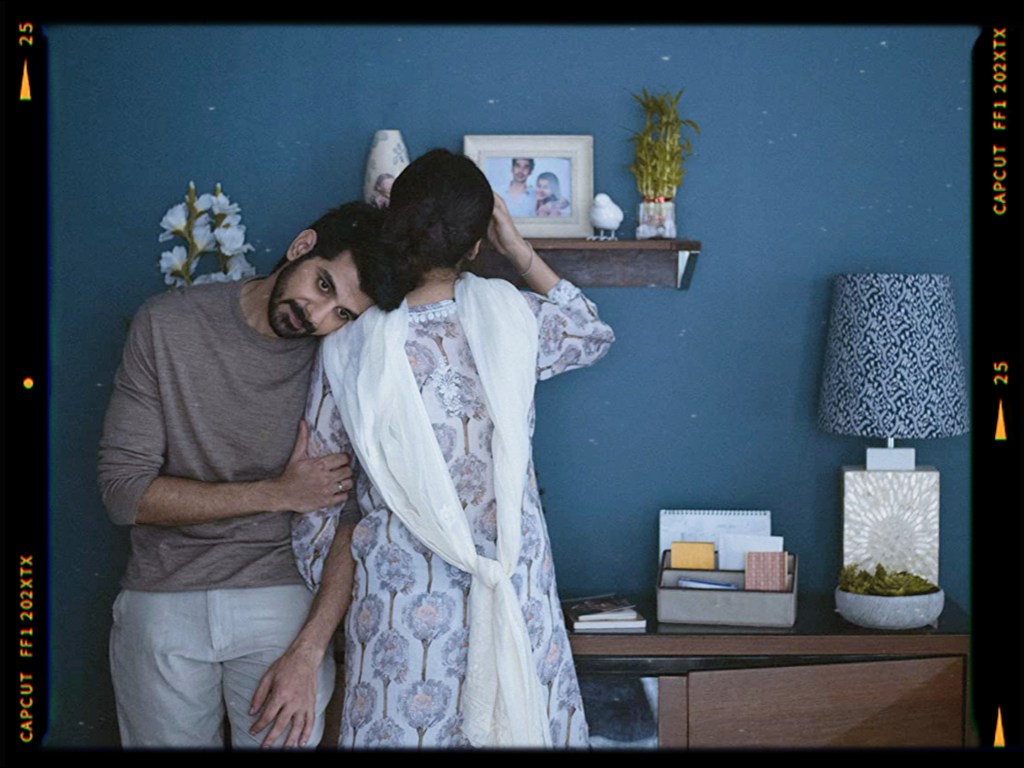
When Amu decides to pursue a divorce over “just one slap,” everyone thinks she’s lost her mind. Her mother tells her to forgive him. Her mother-in-law tells her to adjust. Even her lawyer warns her the court might see her as unreasonable. But Amu doesn’t back down. She files for divorce, weathers a brutal court case, and in the end gets exactly what she came for, not a new man, not a career win, just herself back.
And that’s enough.
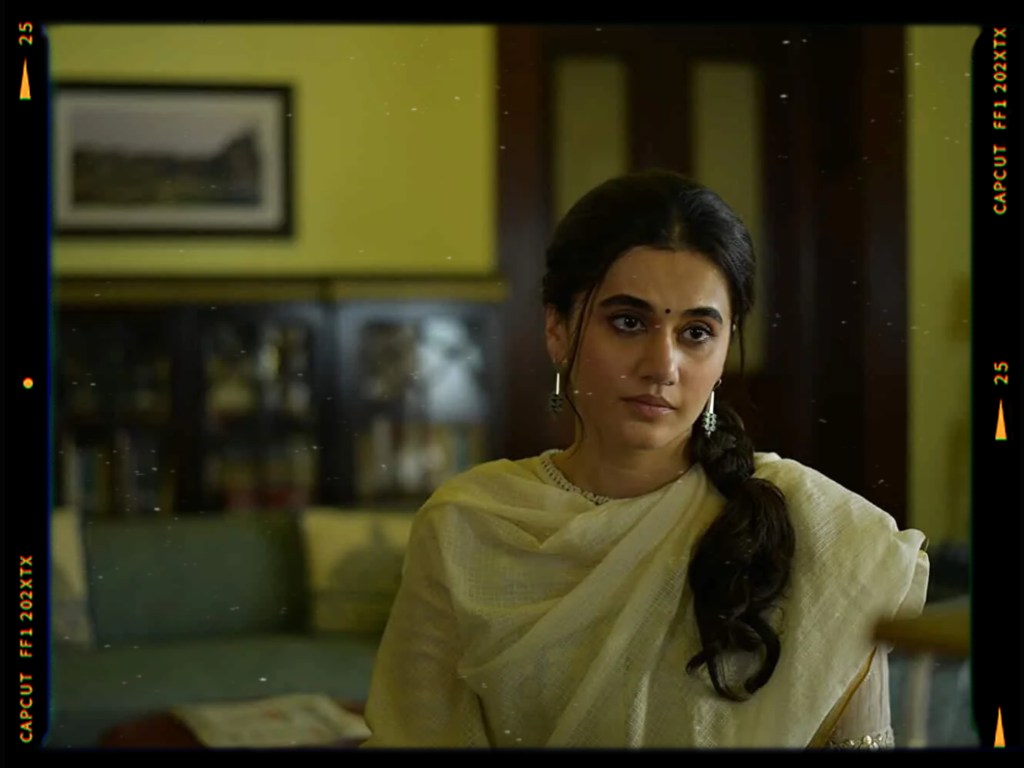
Thappad is a 2020 Indian film directed by Anubhav Sinha, starring Taapsee Pannu in a performance that is entirely internal, no screaming, no melodrama, just a woman quietly realizing she deserves better. It won 7 Filmfare Awards including Best Film and Best Actress and is streaming on Prime Video.
Diary of a Mad Housewife (1970
If Thappad showed us a woman who caught it early, Diary of a Mad Housewife shows us what happens when she doesn’t.
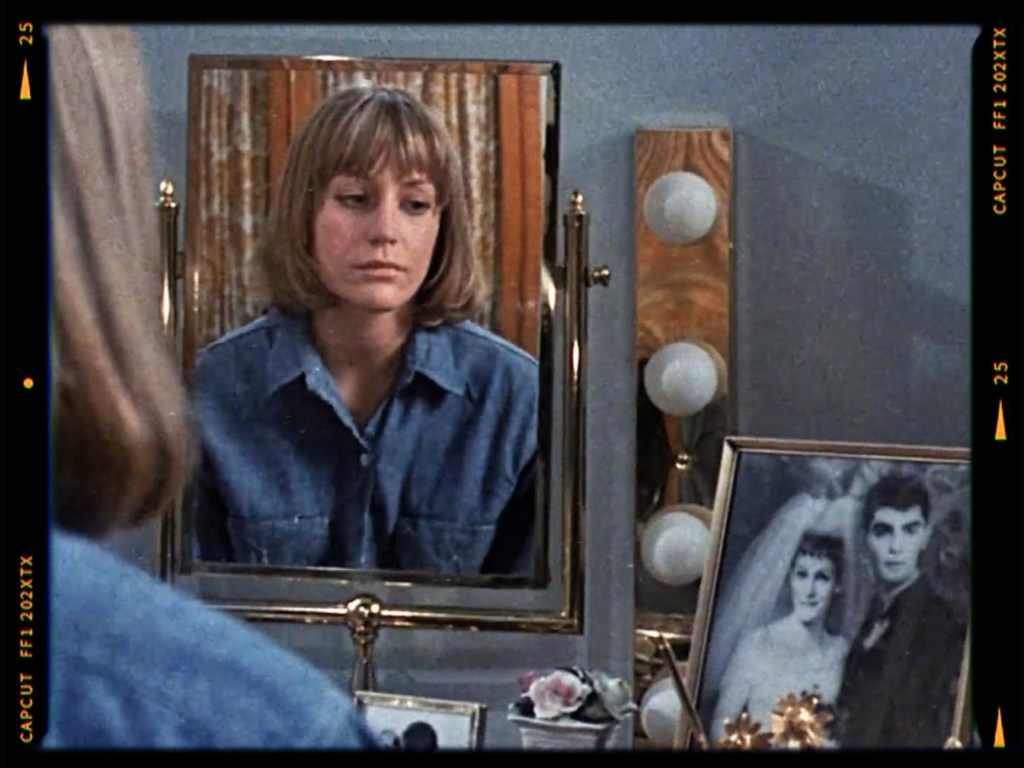
Tina Balser has everything the trad wife fantasy promises, a Manhattan apartment, two daughters, a successful husband. Every day she cooks, cleans, walks the dogs, drops off the kids, and caters to Jonathan’s every need. From the outside it looks perfect. From the inside Tina is one bad morning away from a complete breakdown.
Jonathan, a social-climbing lawyer obsessed with New York society, criticizes everything she does. Her clothes, her parenting, her housekeeping. Nothing is ever right and nothing is ever enough. Even their daughters have learned to speak to her with the same contempt. Tina is being worn down from every direction, every single day.
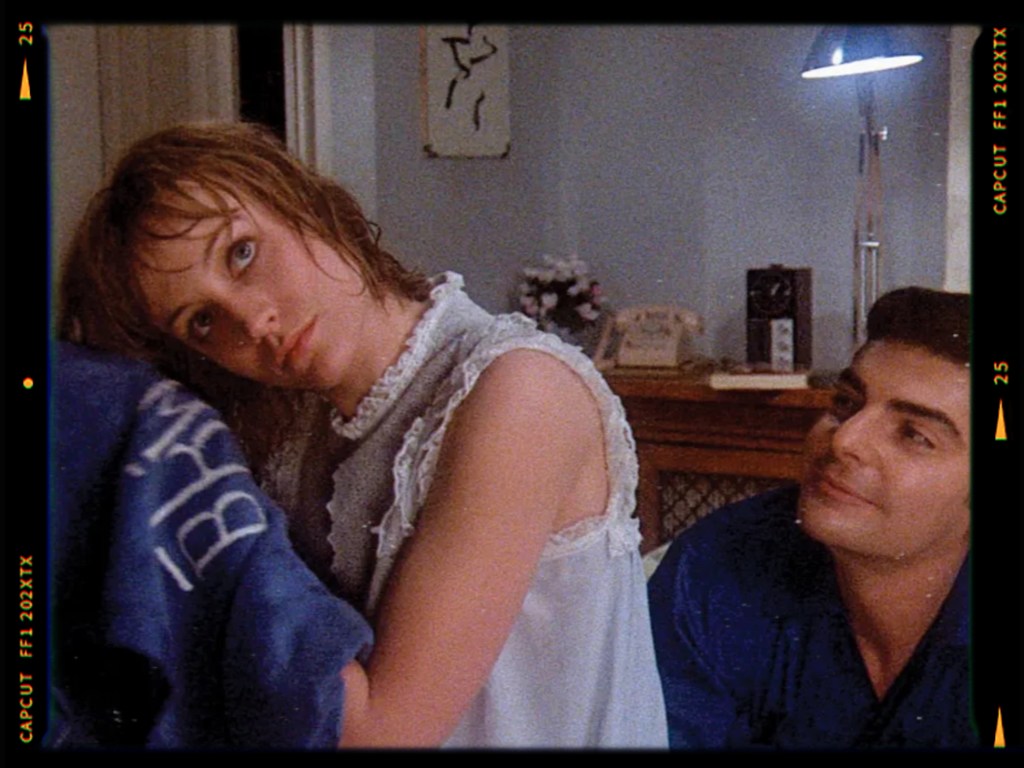
So she does what many women in suffocating marriages have done, she looks for an exit that isn’t divorce. She begins an affair with George Prager, a charming, self-absorbed writer who is upfront about the fact that he wants nothing serious. And for a while it gives her something, breathing room, attention, the feeling of being seen.
But George is not her salvation. He is just a different kind of trap. Jonathan controls Tina through criticism and social expectations. George controls her through emotional unavailability and his own ego. One wraps it in a bow and calls it marriage. The other is just honest about it.
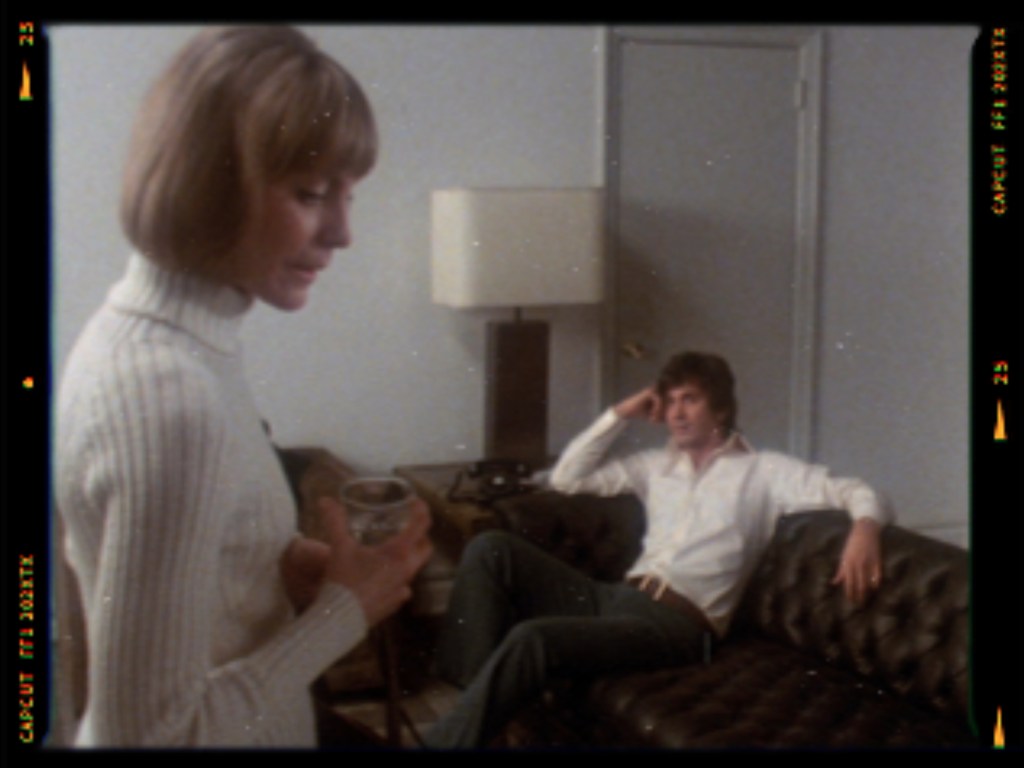
When the affair ends and Tina returns home, Jonathan confesses that the investment he made with their savings has failed, they are bankrupt, he may lose his job, and he has been having an affair of his own. He asks if she wants a divorce or if she is willing to give him another chance.
We never get an answer. The film ends with Tina in group therapy, still undecided, still trapped, not by Jonathan anymore, but by herself.
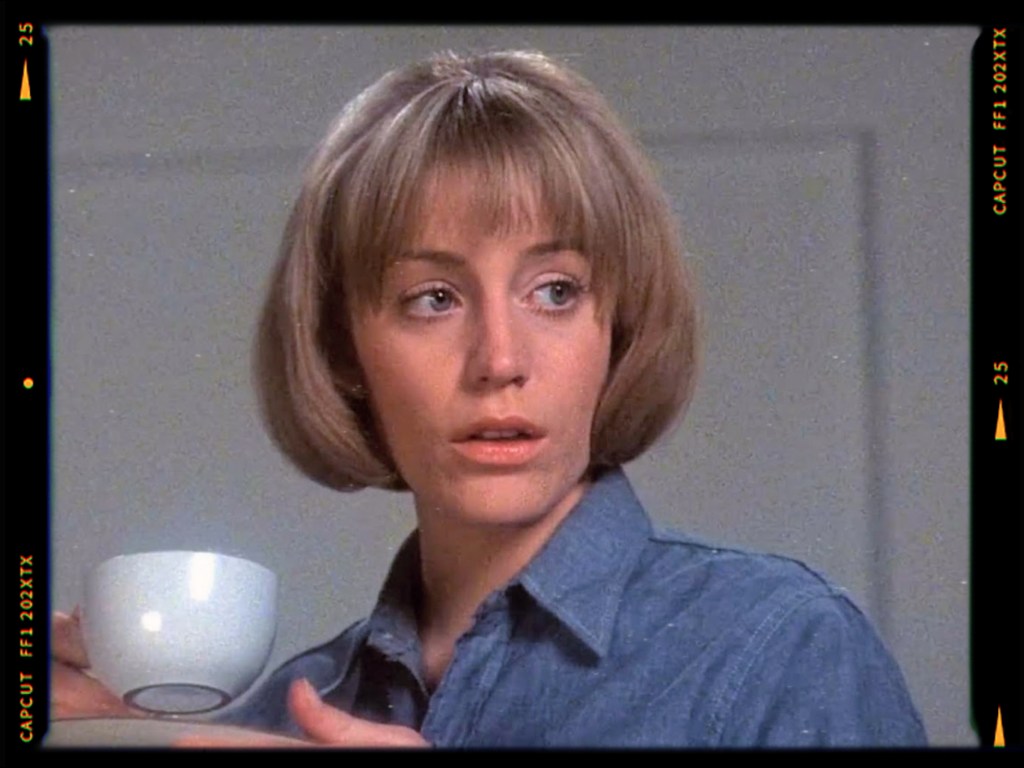
Diary of a Mad Housewife is a 1970 American comedy-drama directed by Frank Perry and written by Eleanor Perry, based on Sue Kaufman’s 1967 novel. Carrie Snodgress received an Oscar nomination and won the Golden Globe for Best Actress. It is streaming on the Criterion Channel.
What Both Films Are Really Saying
The downfall of the trad wife is not always dramatic. Sometimes it’s a slap at a party. Sometimes it’s a slow, quiet erosion that takes years before a woman even has the language to name it.
What Thappad and Diary of a Mad Housewife have in common is that neither woman was failed by one bad man. Both were failed by a system that told them their value lived entirely in their role as a wife. When you erase yourself to become someone’s perfect partner, they start to see you as a function, not a person. They start to believe they are entitled to your labor.
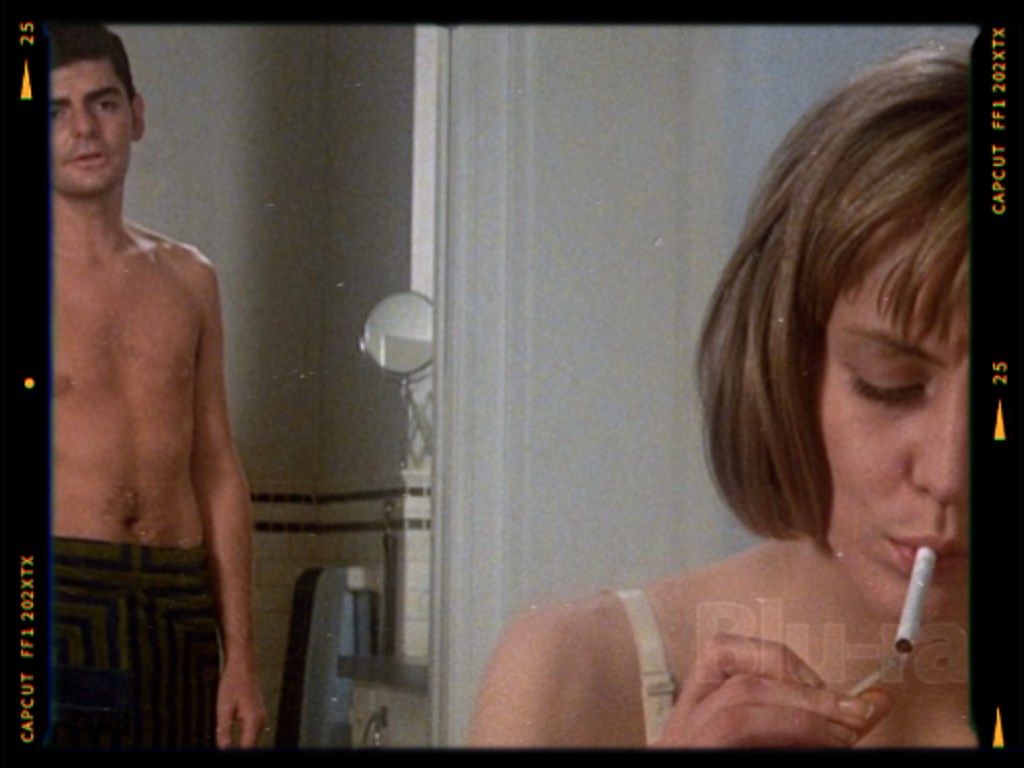
Amu was lucky. She caught it early and got out. Tina is still deciding and that indecision is its own kind of tragedy, because her husband is wicked, her lover is worse, her children have learned to disrespect her, and because she is a housewife she is not financially stable enough to walk away on her own.
Both films ask the same question: what does it cost a woman to stay? And is the cost ever worth it?
Some might argue it depends on the woman’s situation. But personally, the answer is no. It never is. Because some women end up paying that cost with their lives.
That’s a wrap on April at Vixen Cinema. See you in May.
 Vixen Cinema
Leave a comment