
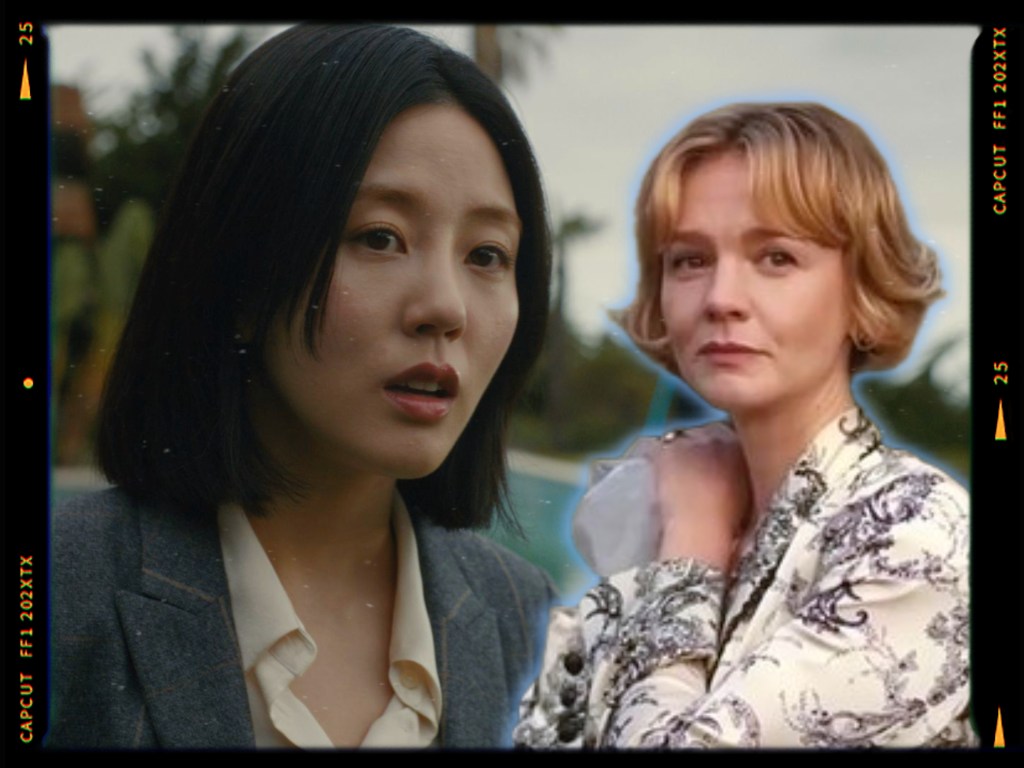
Beef Season 2 is a lot. Between the blackmail, the country club politics, and Carey Mulligan and Oscar Isaac delivering some of the best performances on television this year, it’s easy to get swept up in the chaos and miss what the show is actually doing beneath the surface. Here are five things worth paying attention to on your watch.
1. Access Is Not the Same as Acceptance
Josh did everything right. He married into the right circles, managed the right club, befriended the right people. On paper he had access to the 1%. But Beef keeps reminding us and more importantly keeps reminding Josh, that access and acceptance are two very different things.
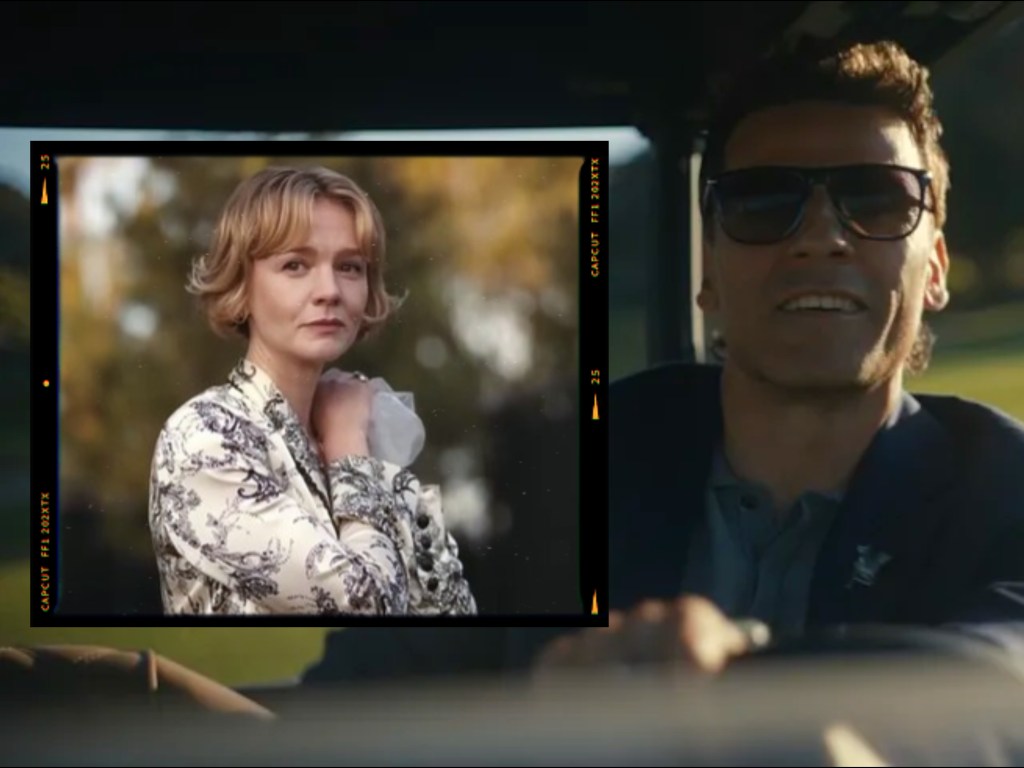
The most telling moment comes when Josh is pressured into placing a bet with Michael Phelps and the other wealthy club members. He doesn’t have the money to back it up. He ends up having to sell his belongings just to cover it, not because he lost the bet, but because he couldn’t actually afford to be in the room in the first place. He was performing a lifestyle he couldn’t sustain.
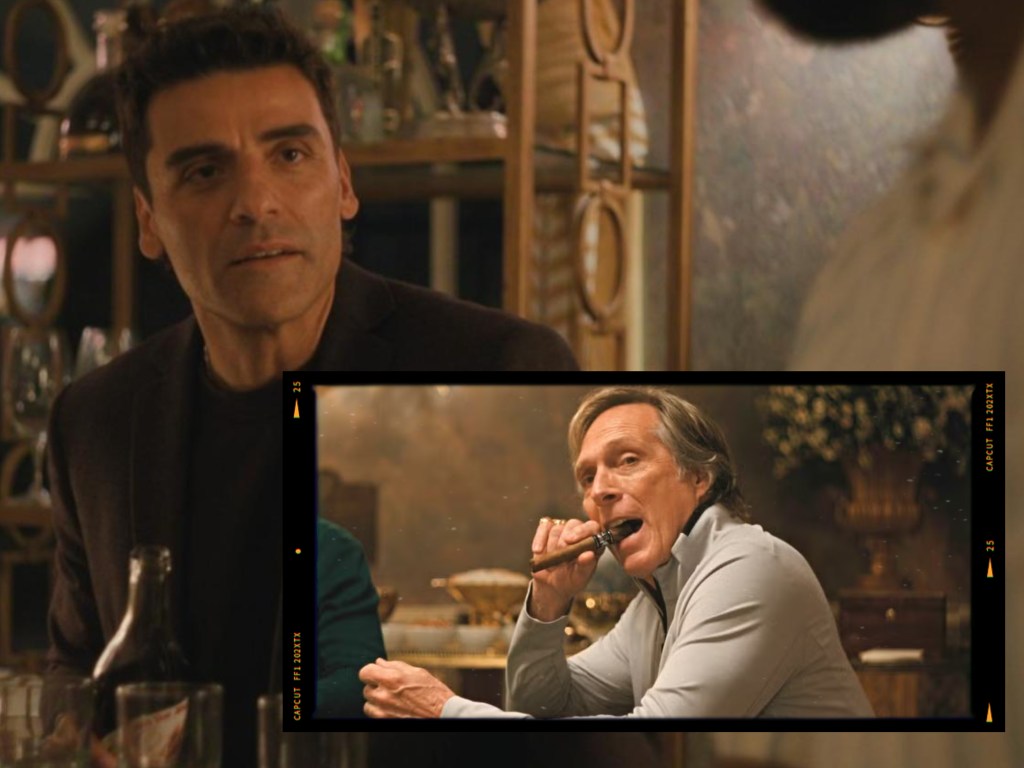
Then there’s Troy. Troy who was Josh’s friend the entire season, right up until Josh actually needed him, at which point Troy called the police without hesitation. That’s the show’s most honest statement about class.
2. Interracial Dating, Lost Identity and the Pull of Elite Culture
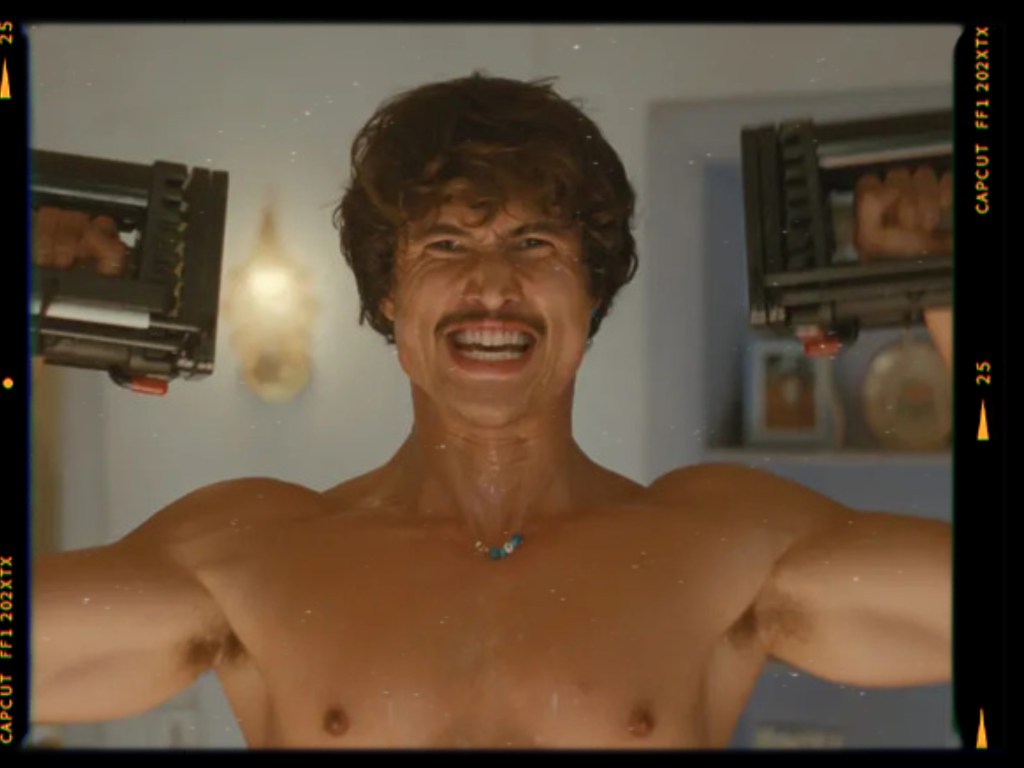
Austin is half Korean, and the show uses that detail deliberately. For most of his life that part of his identity has probably existed quietly in the background. Then suddenly he’s working at a club owned by a Korean billionaire, surrounded by Korean wealth and culture at a level he’s never encountered before and something in him responds to it, including his attraction to Eunice, but don’t get me wrong, I do believe he also clearly had a physical attraction to Eunice.
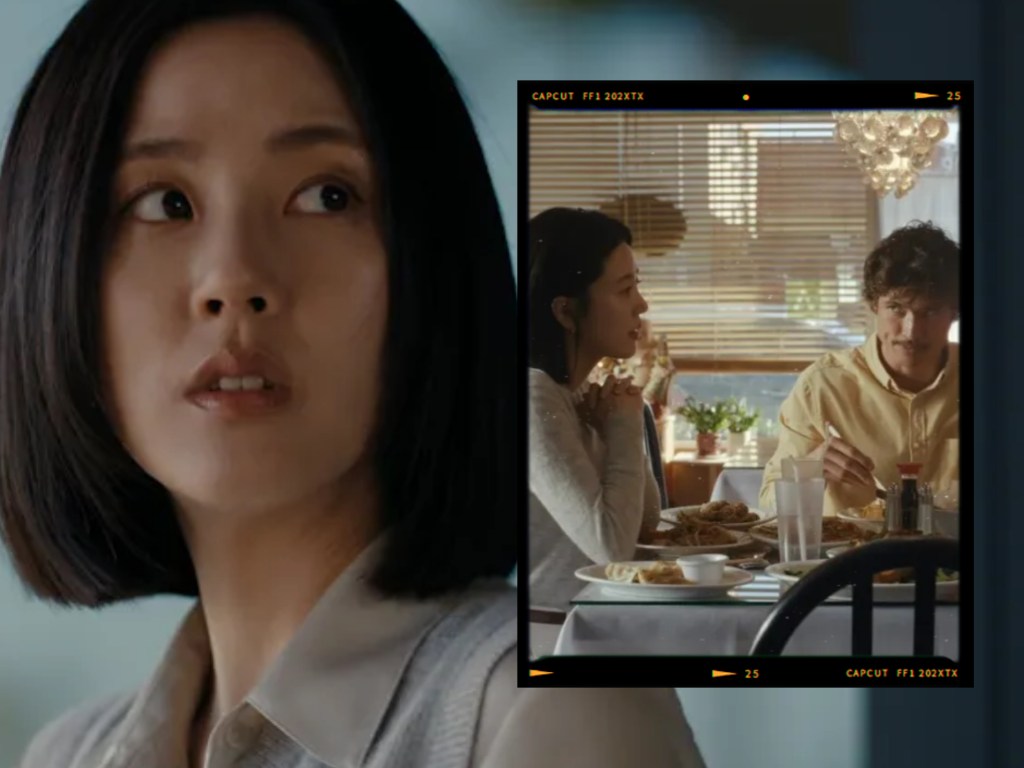
The show is doing something specific here. Austin isn’t simply reconnecting with his heritage. He’s being drawn to the elite version of it, and that distinction matters because his feelings for Eunice become tangled up with deeper questions about identity, belonging, and who he wants to become. The tragedy is that by the time he begins to figure that out, he has already betrayed her in the worst way possible.
3. What the Ants Are Really Saying
Ant imagery runs through the entire season. Creator Lee Sung Jin said he left it deliberately open to interpretation but here’s one reading that holds up.
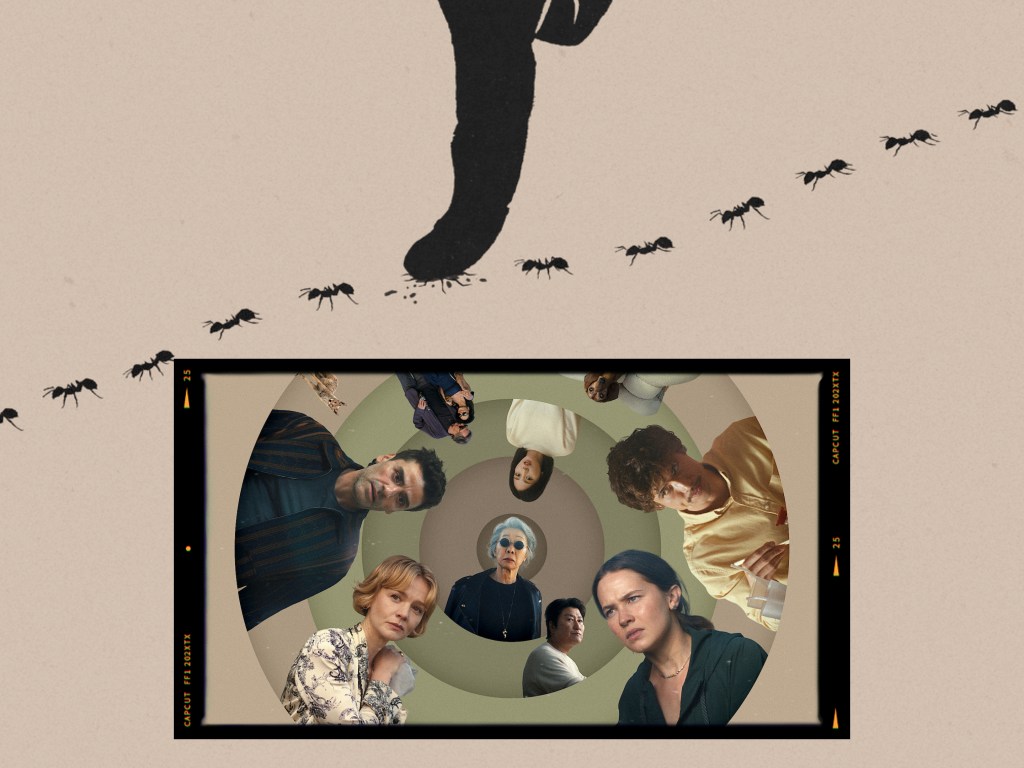
Ants operate in a colony. Every single one works constantly, relying on each other, moving in service of a system that doesn’t actually benefit them individually. The country club functions the same way. Josh and Lindsay serve the members. Ashley and Austin serve Josh and Lindsay. Everyone works tirelessly for someone above them while Chairwoman Park sits at the top completely insulated from consequences.
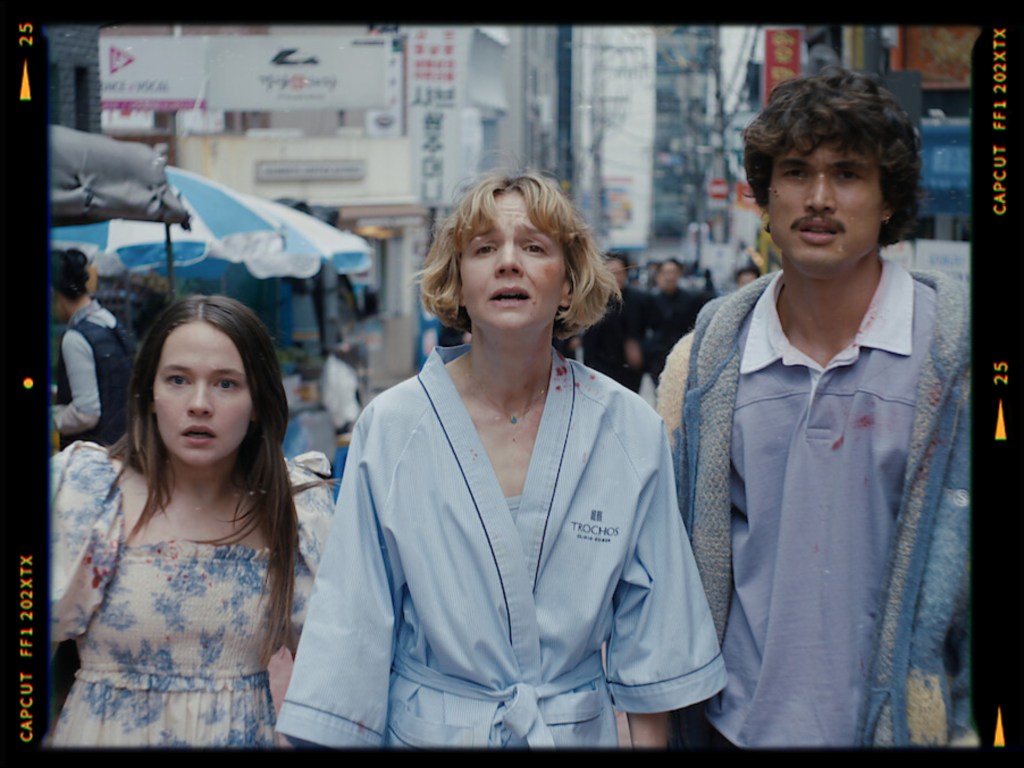
There’s a scene where Park is eating fruit from a large plate and a single ant appears on it. One ant, alone, relying on nobody. That’s her. That’s what power actually looks like in this show not someone working harder than everyone else, but someone who has removed themselves from the colony entirely while everyone below keeps working.
4. Is Transactional Love Unavoidable Under Capitalism?
Late in the season Chairwoman Park delivers a monologue that functions as the thesis of the entire show. She argues that love exists within capitalism, that all relationships are ultimately systems of self-interest, transactions we make for survival, companionship, status, or security.

The uncomfortable thing is that the show proves her right through every couple we meet. Josh married access. Lindsay married stability. But what about Ashley and Austin, the young couple presented as genuinely in love, the ones who haven’t been corrupted yet? By the end of the season even they have become transactional, making deals with each other, using each other to survive, slowly becoming the very thing they once judged Josh and Lindsay for being.
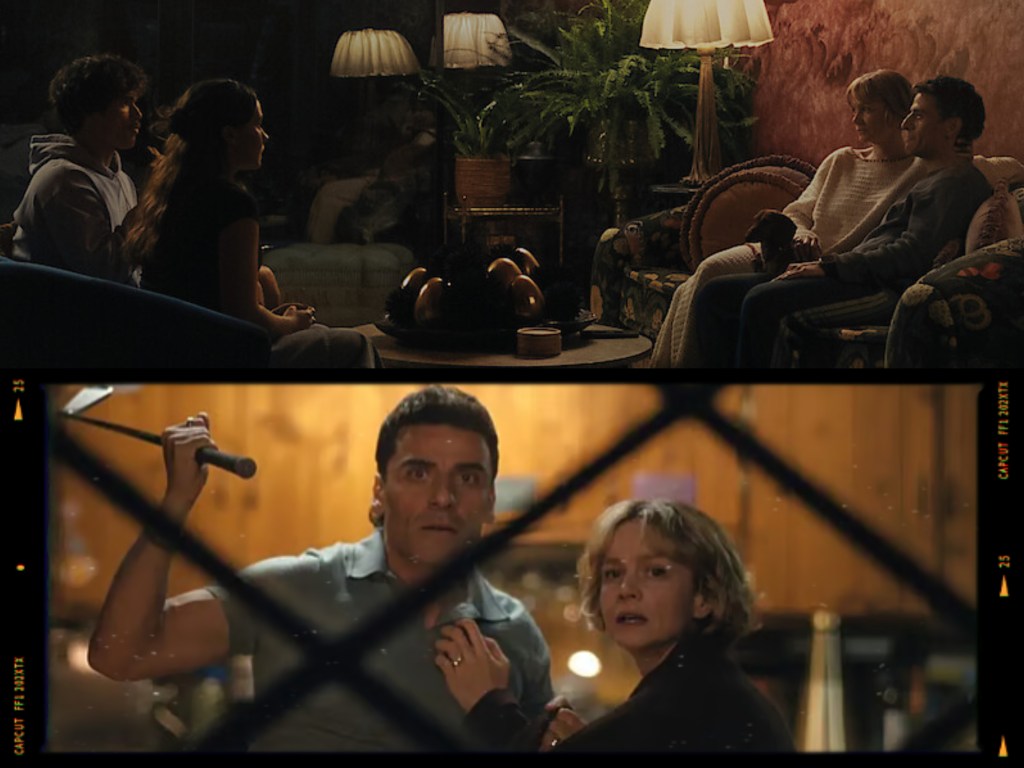
The show isn’t saying love is fake. It’s asking a harder question, whether genuine love can survive in a system designed to turn everything, including people, into a resource.
5. The Ending Is the Whole Point
Some viewers found the ending unsatisfying but that was probably the whole point.
The final sequence shows us exactly what the show has been saying all along, the cycle never breaks. Ashley and Austin become Josh and Lindsay and Park, with all her money and power, ends up at the grave of her first love, the one real thing she had before the system consumed her completely.
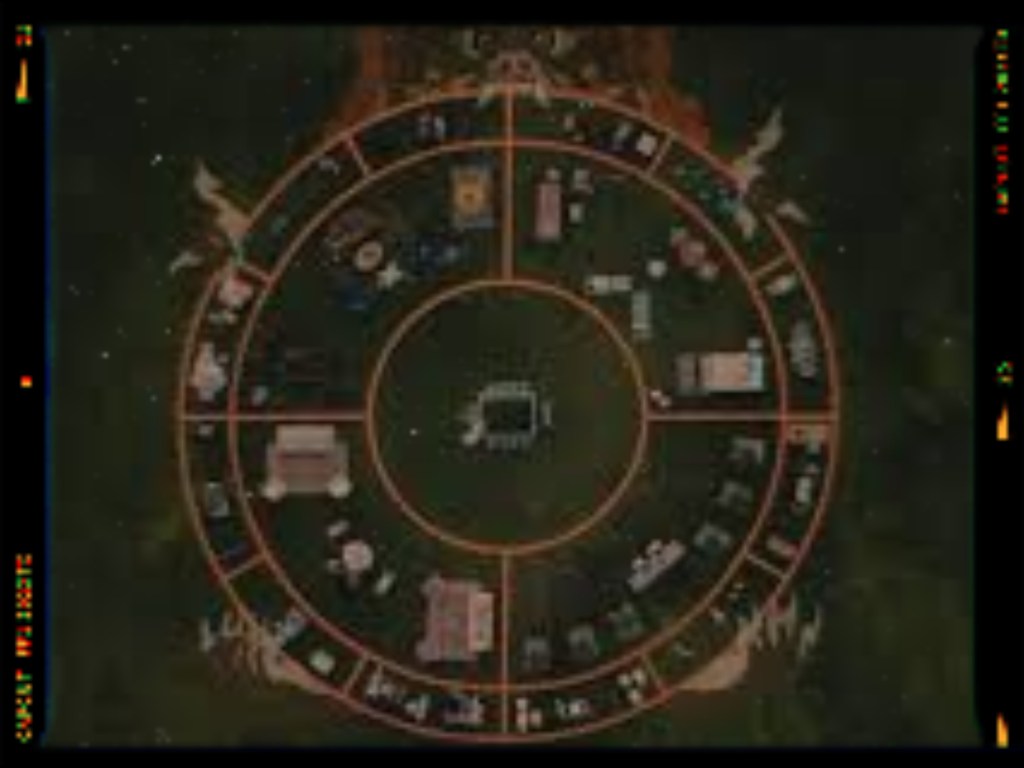
This is samsara. The endless cycle. You fight your way up, you become the thing you hated, and you lose what actually mattered in the process.
And then there’s Eunice. We never find out what happens to her. She put everything on the line, trusted Austin, and was betrayed. The show leaves her without resolution and I think that’s intentional. In a system like this, the most vulnerable people don’t get an ending.
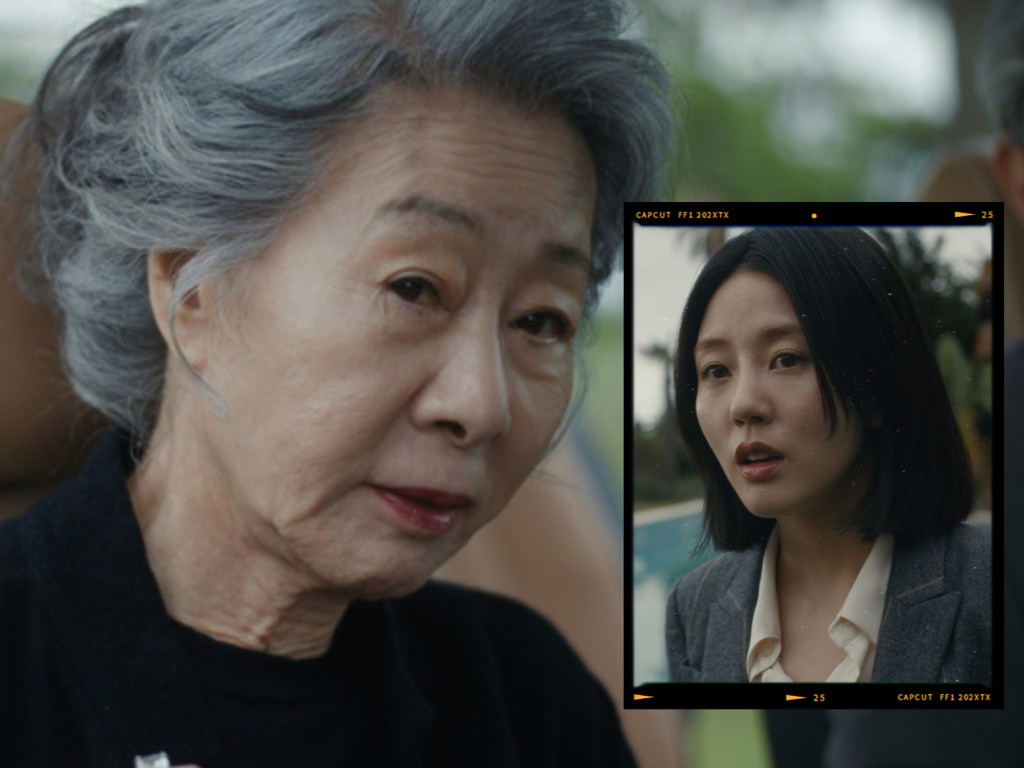
Beef Season 2 isn’t really about a beef between individuals and the most devastating thing is that nobody in this show is the villain (well except maybe Park). They’re all just trying to make it. They’re all just ants. For all its chaos, I really enjoyed this season and really hope they keep up this energy next season.
I would rate it a solid: 9.2 /10. Stream it on Netflix.
 Vixen Cinema
Leave a comment